Aftershock: How Unchecked Power Buried the GOP in 2026
The 2026 midterms were not one election. They were two verdicts delivered by two different electorates that happened to point the same direction, and the party that lost has every reason to misread both.
Working voters punished the cost of living. Affluent, educated suburbs, the kind of place I live and work, here in Hamilton County, punished the manner of governing. Immigration ran through both, not as the single issue most voters named, but as the sharpest and most personal proof that an administration had slipped its restraints. What follows is a catalog of that overreach, and an argument about why it was not the sort of thing voters forget by the next jobs report.
Tap an issue to jump to where it is discussed.
Two verdicts
Democrats won both chambers, flipping at least seven Senate seats, including Texas, Kansas, South Carolina, Ohio, Iowa, North Carolina, and Maine. The president carried roughly a 38 percent approval rating, the lowest for a president in a modern midterm. This was a repudiation of a presidency, not a sudden embrace of the Democratic Party.
The tell is that every group moved left at once. The sharpest swings came from young voters and Asian Americans rather than from Hispanics alone. Asian Americans moved roughly 17 to 26 points toward Democrats, Latinos around 22, Black voters returned to a 90 to 9 margin, and even white voters shifted about 12 points. When the whole electorate turns together, the cause is rarely one issue.
So read it as two verdicts. Lower income voters punished the cost of living. Higher income voters, the ones in places like Hamilton County, punished the manner of governing, and they broke decisively toward Democrats on the question of democracy itself. Those voters were insulated from prices by an economy tilted toward the top and a stock market up about 14 percent on the year. They could weather gas. They revolted anyway.
The shocks they will not forget
The affluent revolt was not about the pocketbook. It was a reaction to a cascade of actions taken without Congress, each one looking less like governance and more like a government that had slipped its restraints.
Aftershock · 2026
Five shocks, one coalition
Tariffs
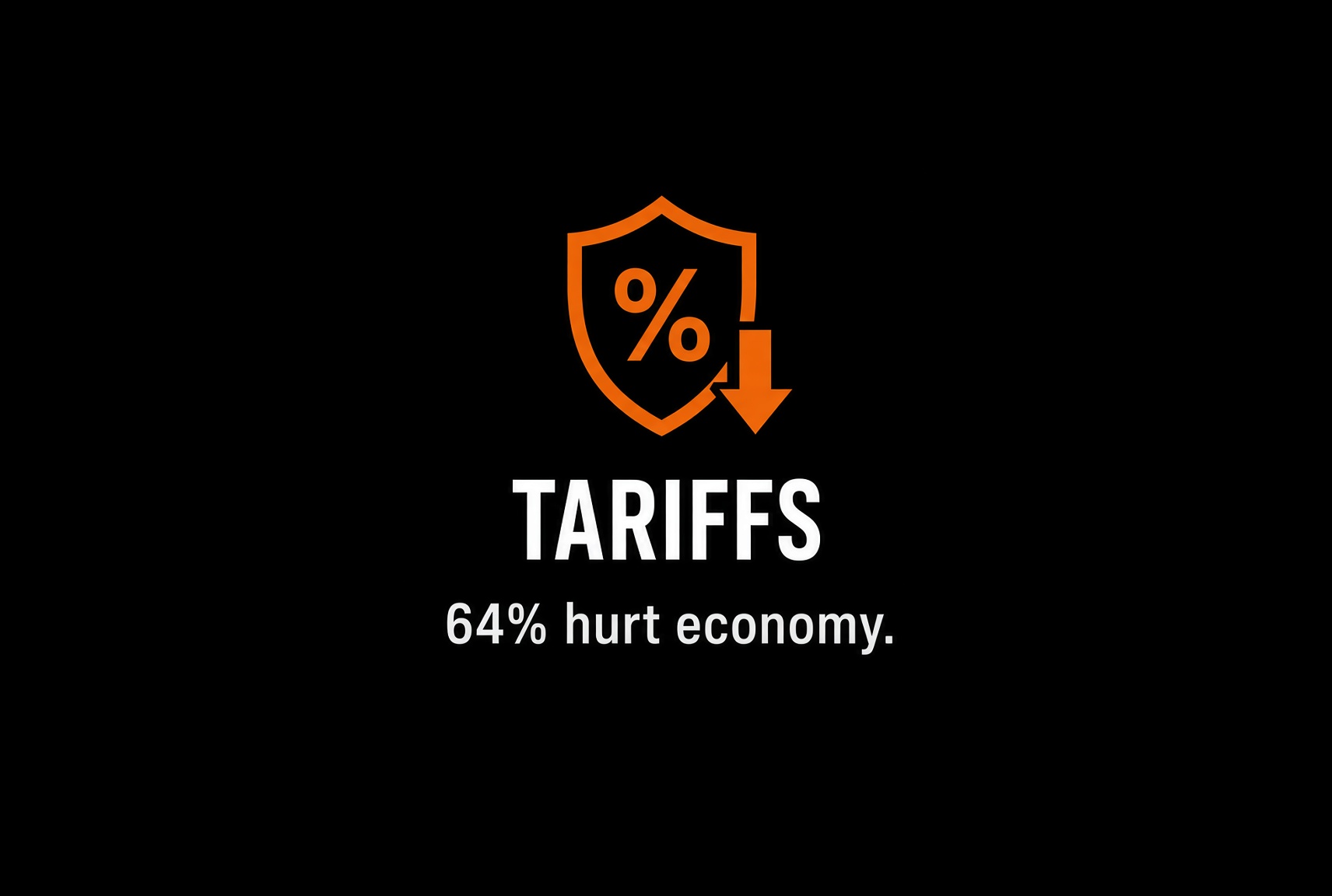
64% said they hurt the local economyImposed by executive action, they raised prices and were later struck down by the Supreme Court.

The Iran war
Gas prices up overnightBegun in February 2026, it closed the Strait of Hormuz and spiked gas overnight.
DOGE & the Musk firings
~300,000 out, thousands of veteransAn unelected billionaire took a chainsaw to the federal workforce; courts later found it broke the law.
Immigration sweeps
68% of Texas arrests had no recordEnforcement promised for criminals reached everyone, from CDL holders to families.

Flock surveillance
4,000+ lookups in one Illinois townLocal license plate cameras became a side door for ICE. American civil liberties were ignored, and no one moved to regulate it.
Each one done without a check.
Start with trade. The administration imposed hundreds of billions of dollars in new tariffs by executive action, prices on everyday goods climbed, and the Supreme Court later ruled the tariffs illegal (AP Voter Poll). The Tax Foundation estimated they cost the average household about 820 dollars for the year (CNN), and roughly 64 percent of voters said the tariffs hurt the economy where they live (CNBC). A tax that large, imposed without Congress and then struck down by the Court, is the kind of overreach voters feel at the register and remember at the ballot.
Then the war. In February 2026 the country was taken into a war with Iran, and when the Strait of Hormuz closed, gas prices jumped and tied the president directly to shrinking household budgets (Irish Times). Americans rarely vote on foreign policy, but they vote on the price at the pump, and a war that spiked it in an election year folded into the same story of a government acting faster than anyone could check it.
DOGE is the clearest single image of the whole election. Elon Musk, an unelected billionaire, was handed authority over the federal workforce, and roughly 300,000 workers were pushed out through firings, buyouts, and retirements. Veterans make up about 30 percent of the federal workforce, so the toll fell heavily on them. House Democrats and Senator Tammy Duckworth counted roughly 6,000 veterans fired across agencies in the opening weeks, and the administration never released an official tally. At the Department of Veterans Affairs, where more than a quarter of the staff are veterans, an early memo floated cutting 83,000 jobs; a bipartisan backlash pared that back, but the VA still shed about 30,000 positions by its own count, and more than 40,000 by a January 2026 Senate Democratic report, with 88 percent of the losses in veterans' health care. Musk walked away in May 2025 when his temporary status expired, and courts later found the operation had violated the Privacy Act and that its shutdown of USAID was likely unconstitutional. Firing the people who served, at the hand of a billionaire nobody elected, while Congress watched, is not a grievance that fades.
I wrote about this at the time, and the image that stayed with me was the chainsaw. Musk waved a red power chainsaw on a stage while hardworking veterans were forced into a kind of hunger game for their own jobs. He ran his companies from the White House, the people's house, while federal workers and veterans were fired for the sin of working from home. After the workforce was decimated he was handed a golden calf, a Tesla pay package worth up to a trillion dollars, and when SpaceX went public in June he became the world's first trillionaire, his fortune more than doubling while his companies kept drawing billions in federal contracts. The receipts and the posts were quietly deleted. The veterans were not rehired. The anger in the country ran hot enough that I felt unsafe driving my own Tesla. Even Musk, in the end, admitted he got carried away and conceded DOGE made mistakes. The electorate had reached that verdict first.

When the state joined in
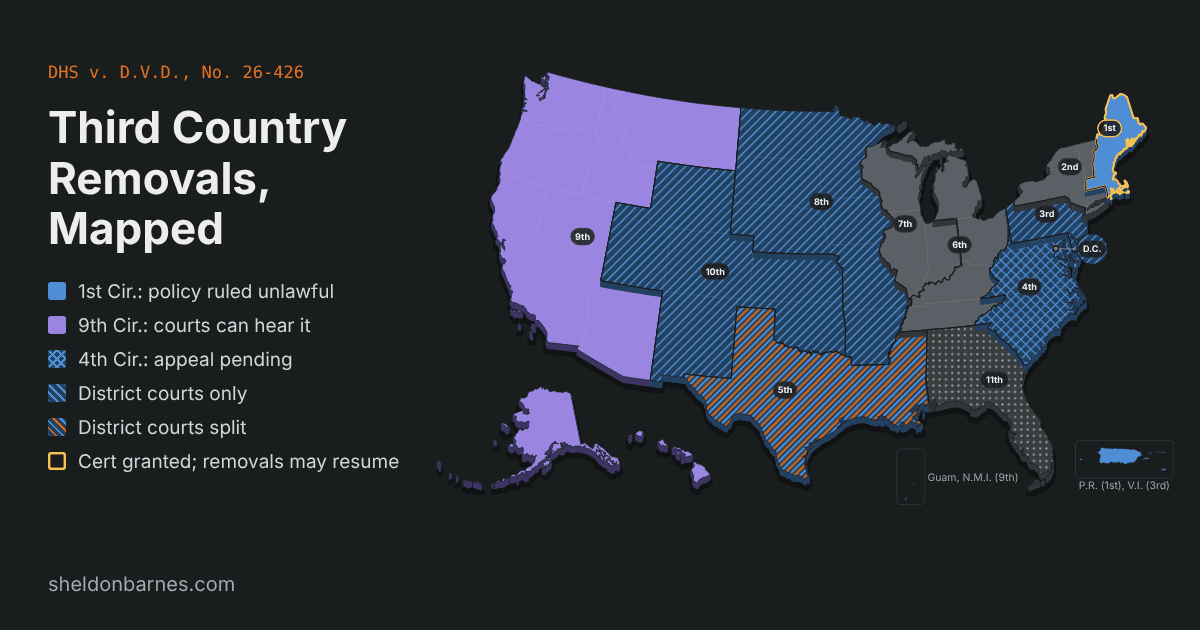
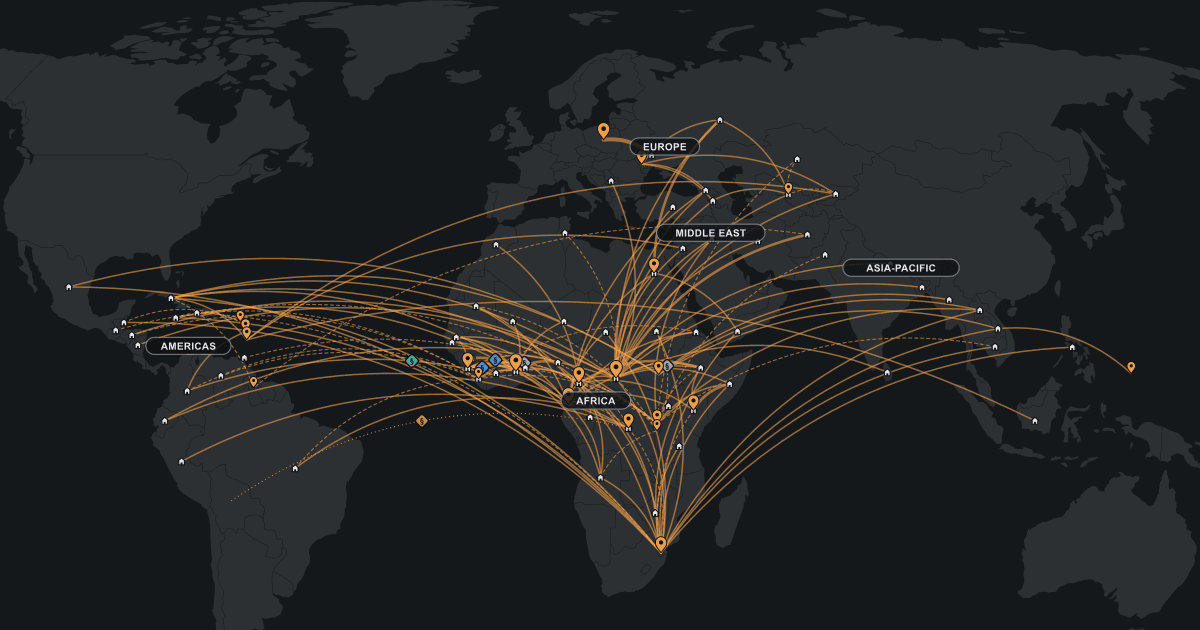
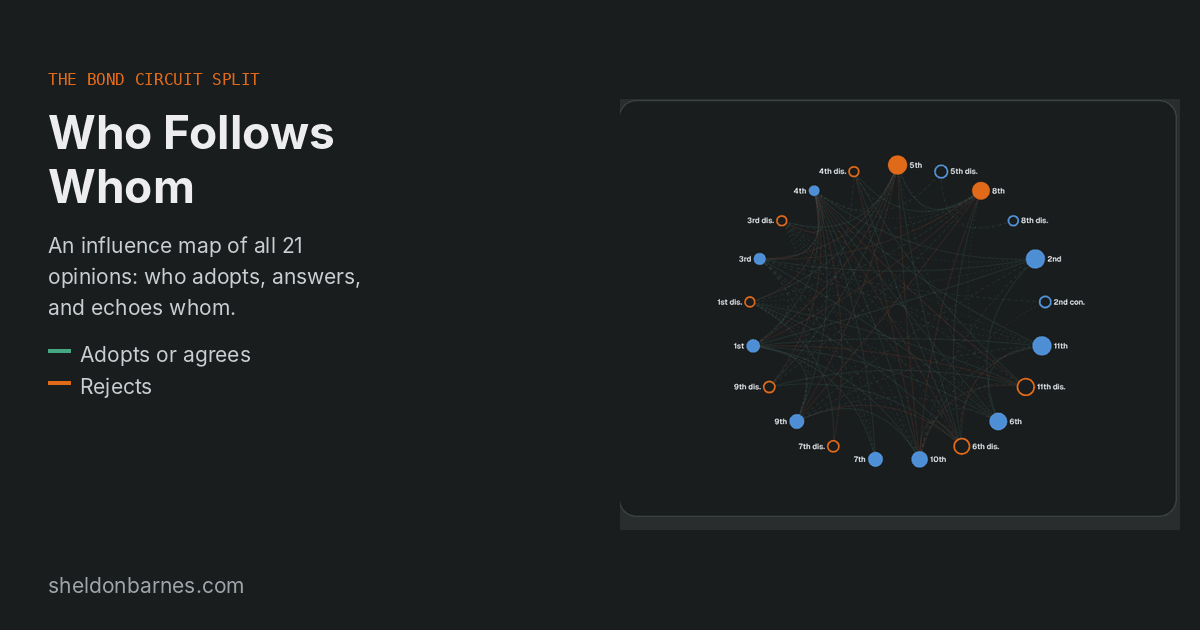
The federal overreach had state and local accomplices, and that is where immigration turned personal. I have spent the fall mapping how the courts have handled this program, in the immigration bond circuit split and in third country removals. The electoral story is the mirror image of the legal one. The places that volunteered to help gave the backlash a concrete, local target.
Indiana is the clean case, and the driver's license fight is where it cuts deepest. On March 12 Governor Braun signed House Enrolled Act 1200, and on April 1 it stripped non-domiciled commercial driver's licenses from about 1,790 immigrant drivers at once, narrowing the credential to holders of three temporary work visas, H-2A, H-2B, and E-2, and adding an English proficiency test. Driving a commercial truck without a qualifying license became a Level 6 felony, carrying a 5,000 dollar fine for the driver and up to 50,000 dollars for the employer. The reach went past truckers. In Indiana, as in most states, a noncitizen's ordinary driver's license is already tied to immigration status through the federal SAVE verification system and expires when that status lapses, so the governing logic, that the right to drive lives or dies with your paperwork, applied to the family car and not just the semi. Attorney General Rokita called Indiana the first state in the nation to take the step. The people it swept up were not all undocumented. Many were legally present and work authorized, including asylum seekers, refugees, and DACA recipients, which is why it read as a betrayal rather than a safety measure.
Indiana was first to write it into state law, but it was riding a federal wave. The Federal Motor Carrier Safety Administration's final rule, pointedly titled Restoring Integrity to the Issuance of Non-Domiciled Commercial Drivers Licenses, took effect March 16 and put roughly 200,000 non-domiciled licenses at risk nationwide. California canceled about 13,000 in a single day on March 6, under a threat of losing 160 million dollars in federal highway funds. Texas began canceling in December and pulled more than 6,400, among them a DACA mother of four who had driven trucks for nine years and now drives for Uber. Colorado, Idaho, Michigan, Ohio, Louisiana, Wyoming, Rhode Island, and Utah halted or ended their programs, and the administration moved to freeze 73 million dollars from New York and decertify its program. A commercial license is a livelihood, and tens of thousands of them vanished, many held by people here legally.
The cooperation did not stop at licenses. Braun also signed the FAIRNESS Act to penalize employers and discourage sanctuary cities, and Attorney General Rokita entered a 287(g) agreement with ICE and publicly pressured all 92 county sheriffs to follow. The detail that lands closest to home: the Hamilton County Sheriff's Office was the first agency in the state to sign a 287(g) agreement, and this week Hamilton County handed that sheriff's office to a Democrat while also throwing out the sitting Speaker of the Indiana House.
Texas built the largest machine and produced the starkest number. Under Senate Bill 8 the state reached 527 ICE agreements, about a fifth of the national total, and federal data showed that 68 percent of the people arrested under the program in Texas had no criminal history. Texas and Florida together accounted for about half of the more than 47,000 immigration arrests made through the program. Two thirds with no record is abuelo, not the hardened criminal the administration had promised to target. Texas then elected its first Democratic senator in decades.
One honest limit, because an argument should survive a skeptic. The tide hit states that resisted too. Maine's governor fought the administration, yet Susan Collins still lost her seat. So cooperation did not necessarily produce a larger swing than the national mood alone. What it did was give an already furious electorate a local name and face for its anger. The cleanest test, whether counties with a 287(g) sheriff swung more than counties without one, is the analysis I want to run next.
The surveillance edge
The same instinct, enforcement without a check, reached the camera on the corner. Flock Safety's automated license plate readers sit in more than 5,000 communities, and although ICE holds no contract with the company, local police ran thousands of lookups on the agency's behalf, typing reasons like immigration, ICE, and ICE ERO into the search field. One audit log in a single Illinois town showed more than 4,000 such searches.
It went past informal favors. The Electronic Frontier Foundation found a one click toggle in Flock's software that matches every plate a town's cameras read against the FBI's Immigration Violator file, a list only federal authorities populate. ICE also used a National Lookup tool to reach into states that had banned local cooperation outright. The formal promise not to do immigration enforcement stayed true on paper while the hardware did it anyway.
This is the civil liberties face of the same election, and it raises exactly the Fourth Amendment concern the Supreme Court flagged in Carpenter v. United States, where location data aggregated over time becomes a dragnet. The reaction was literal. Governor Abbott ordered Texas agencies to stop funding Flock cameras, and in several states residents began tearing the cameras off their poles. When a tool sold to catch stolen cars becomes a deportation instrument, the people being watched notice, and so do their neighbors.
Why it stuck, and what comes next
The reason immigration punched above its weight is an asymmetry of harm. Gas prices come down. A deported father does not come back, a revoked license does not restore a livelihood, and a career ended by DOGE is not rehired by the next jobs report. Economic pain is diffuse and recoverable. The overreach was specific and, for the person it hit, permanent. That is why the betrayal reached past Hispanic voters to Indian American families who heard the nativism as aimed at them too, and why it did not cool between spring and November.
Here is the trap the losing party is walking into. Only about 14 percent of voters named immigration their most important issue, with the economy and the state of democracy ahead of it. A strategist reads that number and concludes immigration was not the problem, so the posture stays and the wound keeps bleeding. The thing that moves the marginal voter rarely tops the issue chart. The damage was never in the ranking. It was in the swing.
The open question, the one that decides how much of this lasts, is whether the suburbs that flipped, Carmel included, realigned or merely punished. If they punished, they are rentable again the moment the overreach stops. If they realigned, a generation is gone. The answer turns on something the majority controlled all along and refused to use, the willingness to tell a president of their own party no. A member who had publicly checked him might have survived. One who spent two years as a rubber stamp inherited the entire bill. Nobody said no, so in 2026 the voters said it for them.
Sources and method
Election results and the scale of the sweep come from CBS News. The demographic swings draw on the NBC exit polls and AS/COA. The split between an economic vote and a democracy vote, including the finding that higher income voters broke on democracy, comes from the AP Voter Poll; the economy tilted toward the top and the market figure from CNN and CNBC.
DOGE's scale and its legal defeats come from Forbes and The Fiscal Times; the veteran figures are House Democrats' estimates reported by Punchbowl News and the Center for American Progress.
Indiana's HEA 1200 and the CDL revocations are documented by the Indiana Capital Chronicle, WTHR, and Fox59; the federal FMCSA rule it tracked by the Federal Register; the Texas and multi-state cancellations by the Texas Tribune and Transport Topics; the tie between ordinary noncitizen licenses and immigration status by the Indiana BMV SAVE program; the FAIRNESS Act and the sheriff push by the Daily Journal and WIBC; Hamilton County's first 287(g) agreement by Axios and its flipped offices by Larry in Fishers. The Texas program and the 68 percent figure come from federal 287(g) data and NPR.
The Flock reporting comes from 404 Media, State of Surveillance on the EFF finding, and Yahoo News.
There is no official all-agency count of how many fired federal workers were veterans; the roughly 6,000 figure is the early 2025 estimate from House Democrats and Senator Tammy Duckworth. The VA figures come from the department's own accounting of about 30,000 positions shed and a January 2026 Senate Veterans' Affairs Committee report of more than 40,000 (Government Executive, Federal News Network). All materials retrieved in November 2026.
Share this post