Uniting Tech and Science Geeks in AI Drug Discovery
By Sheldon Barnes··1 min read
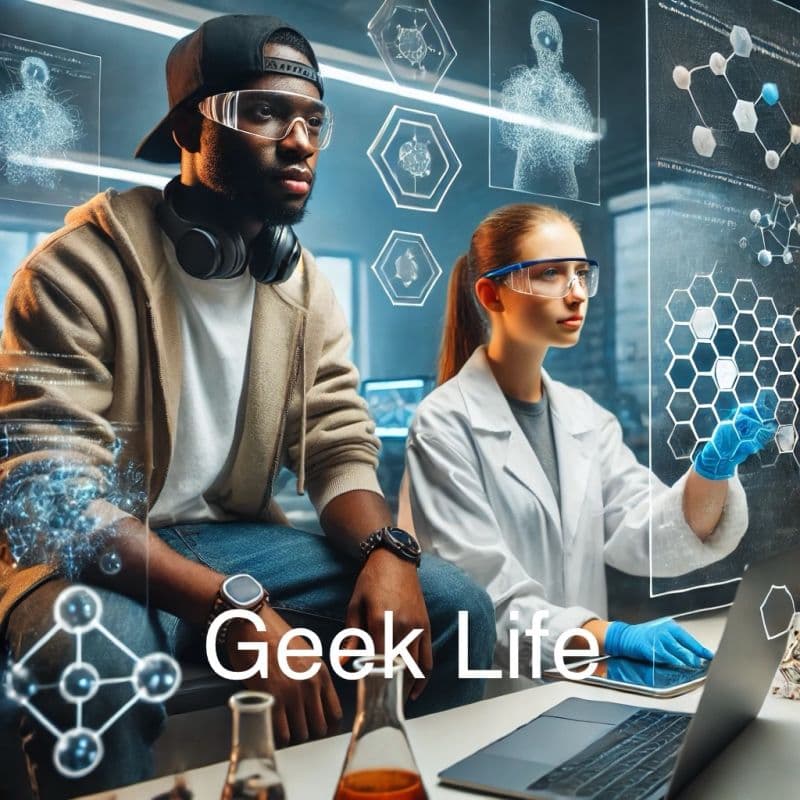
Uniting tech 💻 and science 🧪 geeks in AI/ML-driven drug 🧬 discovery 💡 requires bridging the gap between computational expertise and domain-specific scientific knowledge.
Here are three key strategies.
1. Cross-disciplinary collaboration hubs
- Establish AI/ML-driven innovation labs or incubators where data scientists, software engineers, and biopharma researchers work side by side
- Implement AI residency programs that embed AI experts within drug discovery teams to understand challenges firsthand
- Encourage dual mentorship programs — AI/ML specialists teach scientists about computational methods, and scientists teach AI engineers about biological and chemical constraints
2. Unified data and model-sharing platforms
- Build centralized data lakes that integrate structured (clinical trials, omics data) and unstructured (research papers, lab notes) datasets to enable AI/ML applications
- Promote open-source AI models for drug discovery (e.g., MoleculeNet, DeepChem) and incentivize contributions from both tech and life sciences experts
- Use federated learning approaches to allow pharma companies to train models on proprietary datasets without sharing sensitive data
3. AI-first experimentation frameworks
- Develop AI-driven hypothesis generation systems to propose novel drug targets, optimizing collaboration between experimentalists and model developers
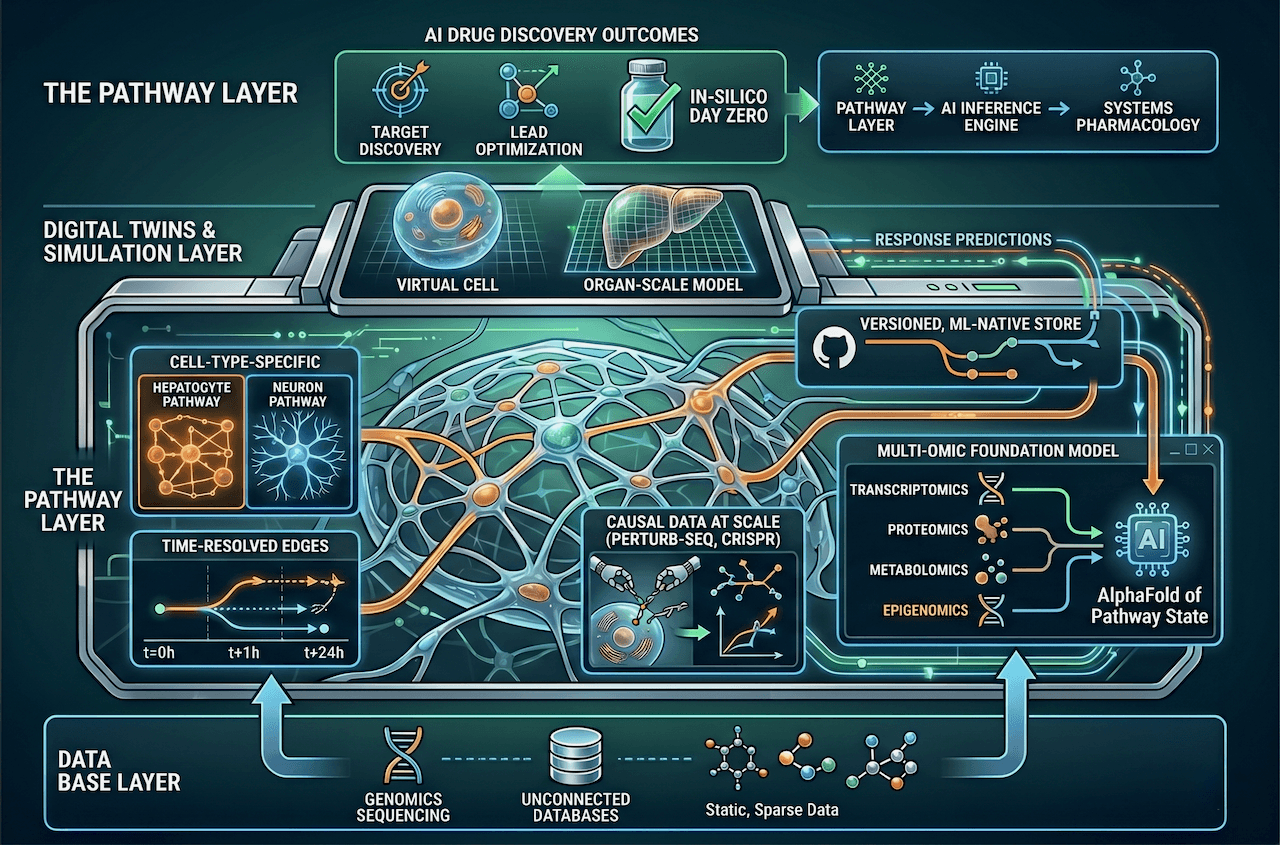
- Use digital twin technology to simulate biological pathways and test AI predictions before costly wet-lab experiments
- Implement human-in-the-loop AI workflows where ML outputs are continuously refined by biologists and chemists to ensure scientific validity
What else?
What are some other ways we can unite tech and science geeks? #geeklife
Share this post