The Human OS: AI Drug Discovery Needs Systems Biology
AI is transforming drug discovery, but are we giving our models the full picture of the human operating system?
We will get there. But we're not there yet.
Drugs don't act in isolation
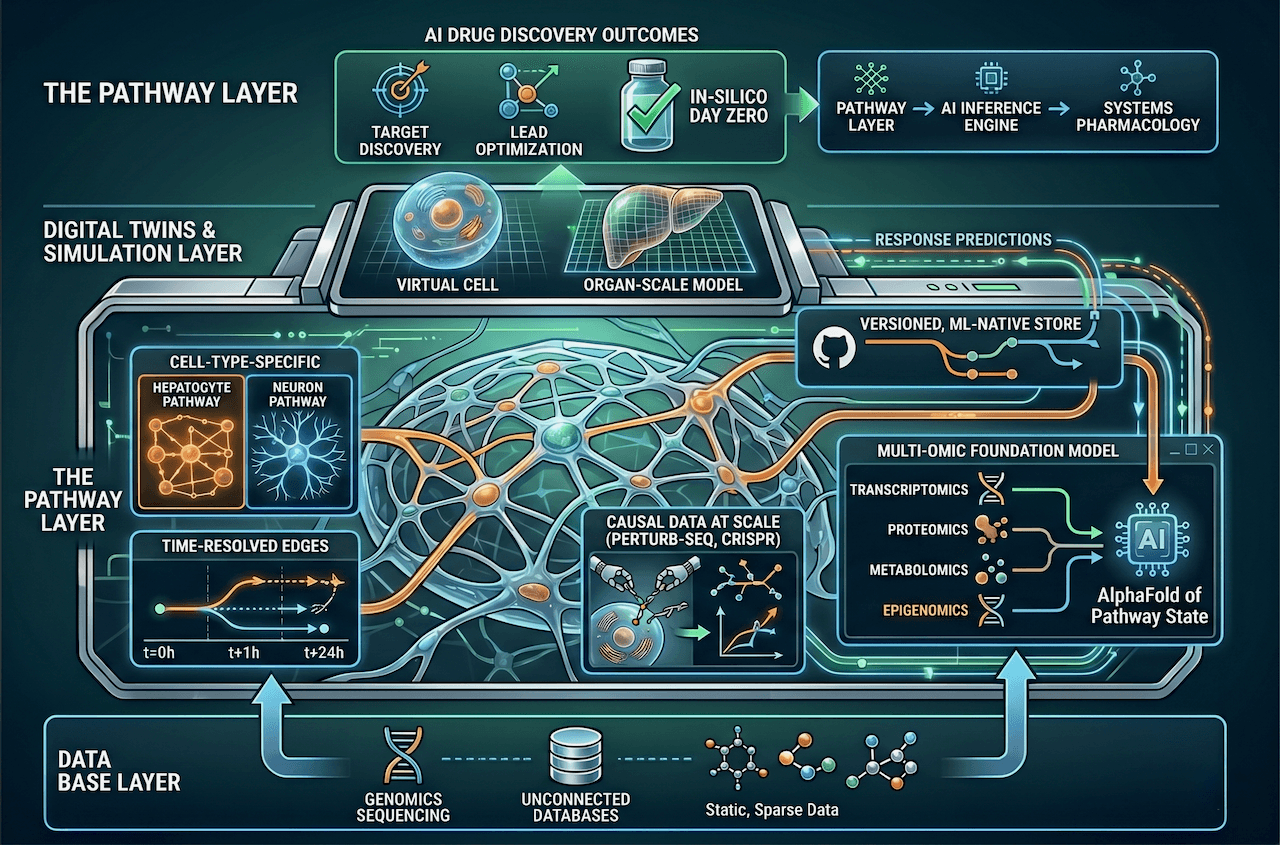
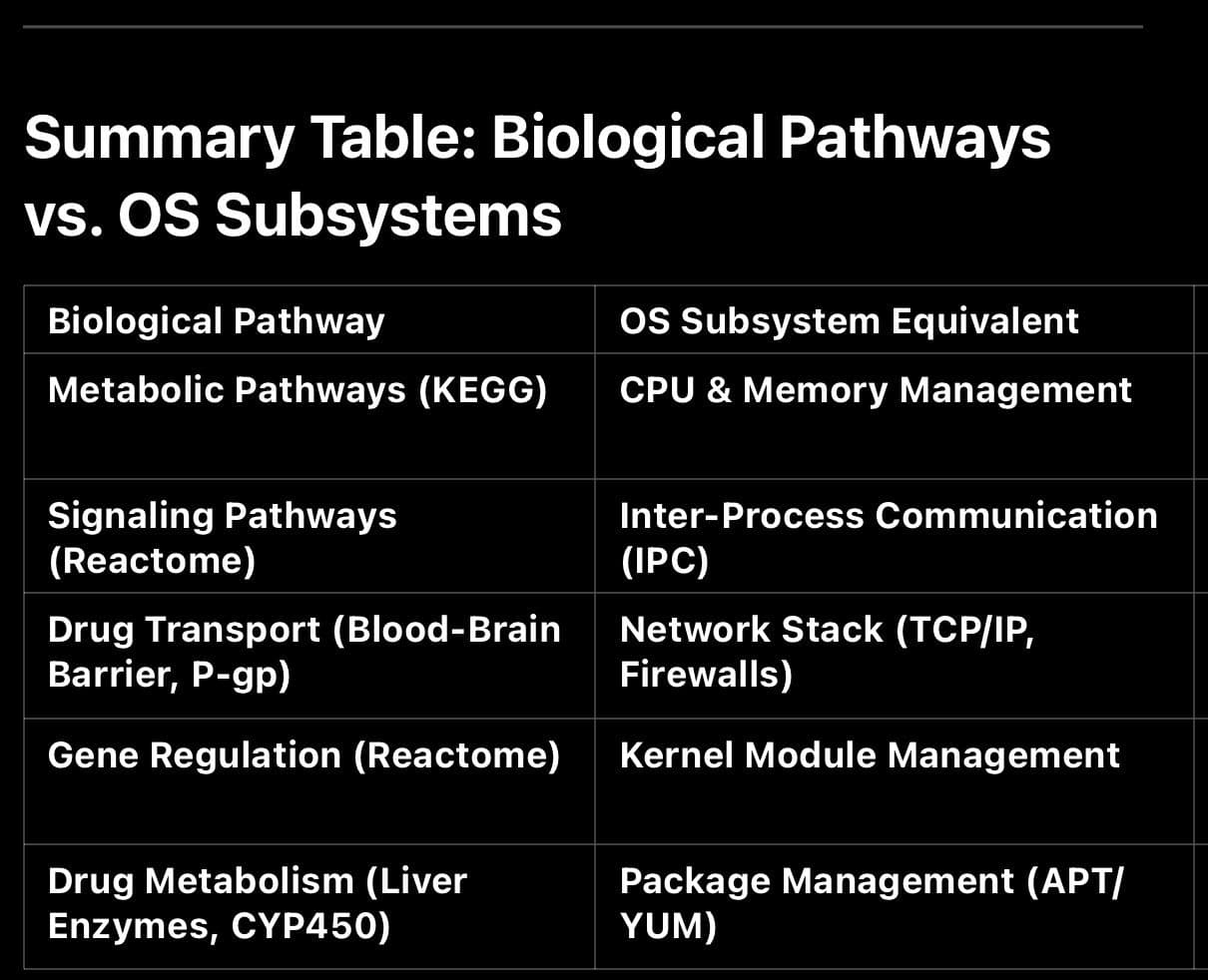
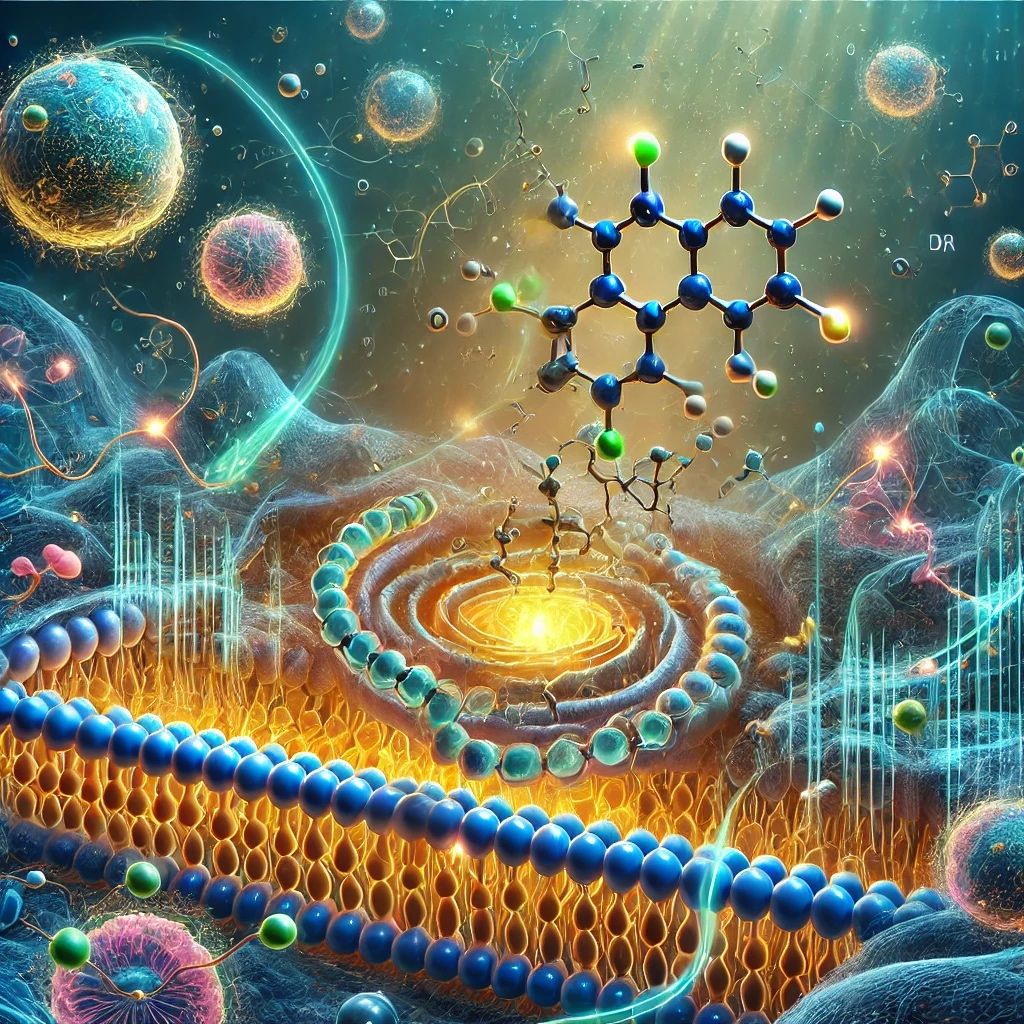
Drug effects don't happen in isolation — they interact with complex biological networks inside the body, much like how an operating system component communicates with and influences other parts of a system to achieve desired outcomes.
From absorption and metabolism to toxicity and organ-specific effects, a drug's journey is shaped by interconnected pathways. Yet many AI models still rely heavily on chemical properties and target-based predictions without fully integrating biological pathway data.
What we need to model
To improve these models we must augment AI-driven discovery with comprehensive pathway data — modeling how drugs interact with:
- ✅ Metabolic networks (KEGG, Reactome)
- ✅ Transporters & cellular pathways (BioPAX, SBML)
- ✅ Pharmacokinetics & drug movement (PBPK models, Open Systems Pharmacology)
- ✅ Toxicity prediction & side effects (SMPDB, DrugBank)
Understanding pathways like P-glycoprotein (for blood-brain barrier penetration) or CYP450 (for drug metabolism) can refine AI predictions and reduce toxicity risks.
The next generation isn't just AI
The future isn't just AI-driven — it's AI + Systems Biology. Leveraging structured biological data to power the next generation of precision medicine.
What do you think? How can we better integrate systems biology into AI-powered drug discovery?
Share this post